
Difficult Relationship Patterns and Abuse Are Not the Same Thing
Difficult or unhealthy relationship patterns are not automatically abuse—but abuse is not simply a worse argument. Learn how fear, control, retaliation, and loss of personal freedom distinguish abuse from ordinary relationship conflict.

Men’s Mental Health: How to Ask for Help When You Don’t Know What to Say
You do not need a diagnosis, the right mental health vocabulary, or a prepared speech before asking for help. Learn how to describe what has changed, what to expect during an evaluation, and how to take the first step when you know something is wrong but do not know what to say.

Will Mental-Health Medication Change My Personality?
Mental-health medication is intended to reduce symptoms—not erase personality. However, emotional blunting, sedation, agitation, or other changes can occur and deserve attention. Learn how to distinguish helpful improvement from changes that may mean a medication, dose, diagnosis, or treatment plan needs to be reconsidered.
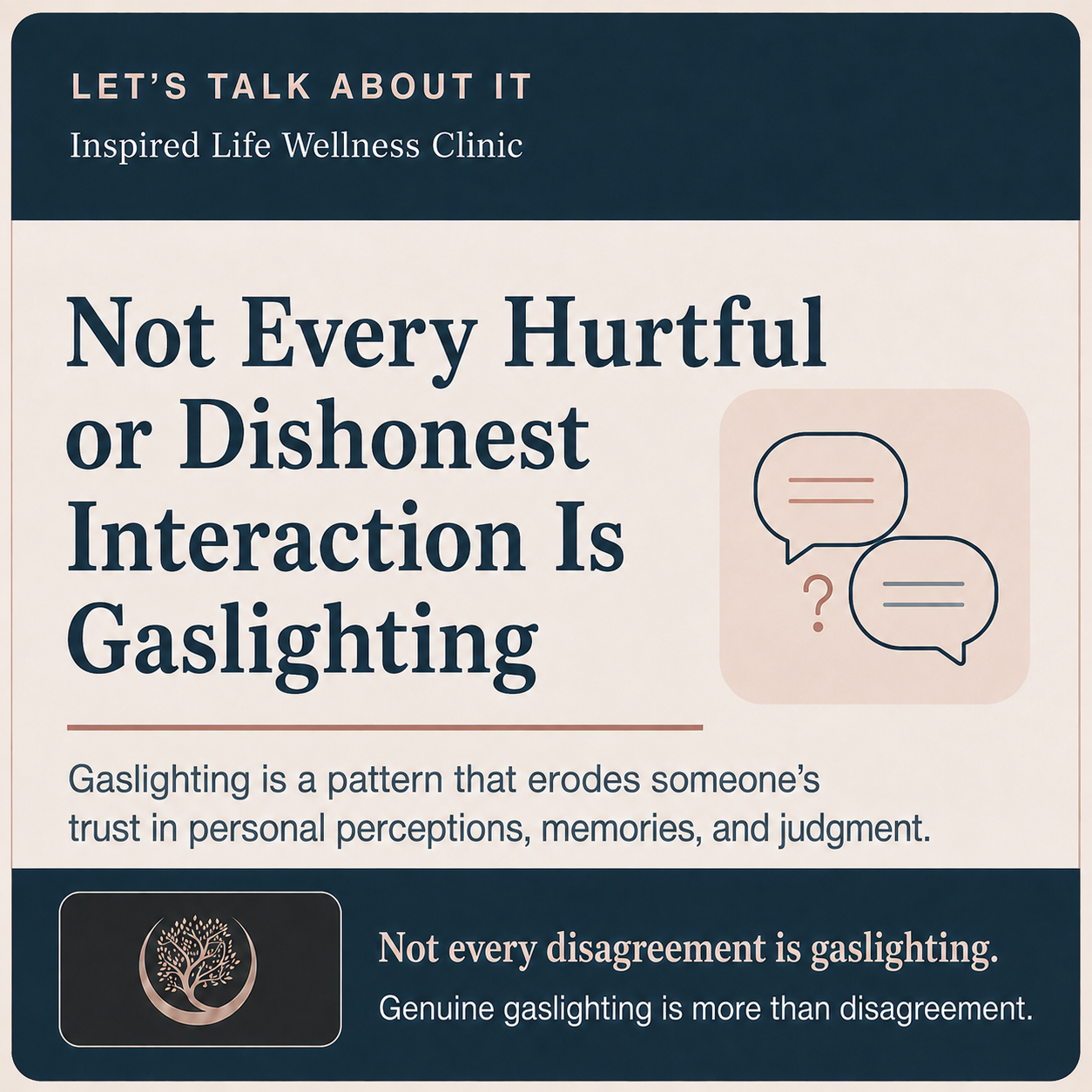
Not Every Hurtful or Dishonest Interaction Is Gaslighting
Gaslighting is more than lying, disagreement, defensiveness, or remembering an event differently. It is a pattern of psychological manipulation that gradually causes someone to question personal perceptions, memories, experiences, or understanding of events. Learning the distinction can help us describe ordinary conflict accurately while recognizing manipulation that erodes a person’s ability to trust personal judgment.

Who Carries the Mental Load When School Starts?
The school year creates more work than packing lunches and driving to activities. Someone must also remember the forms, fees, schedules, supplies, messages, appointments, and everything each child needs on a particular day. When one adult becomes responsible for noticing and managing nearly all of it, the invisible mental load can affect mood, sleep, concentration, and relationships.
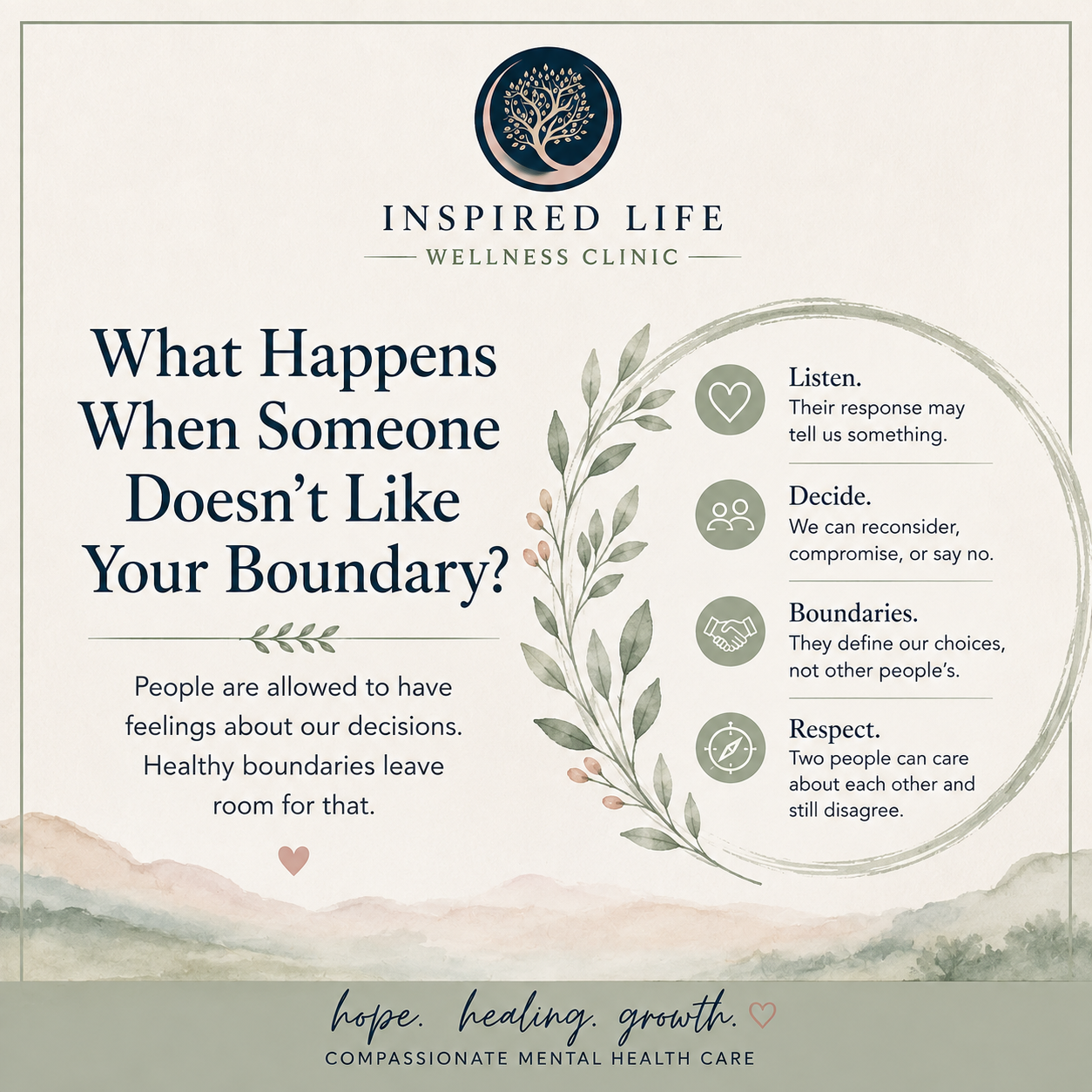
What Happens When Someone Doesn’t Like Your Boundary?
Setting a boundary is one thing. Finding out that someone else doesn’t like it is another. Disappointment, disagreement, or questions do not automatically mean a boundary is being disrespected, just as having a boundary does not make us immune to feedback. Healthy boundaries require us to listen, reconsider when appropriate, and tolerate the possibility that two people can care about each other, understand each other, and still disagree.

Where Life Is Actually Lived
The milestones of our lives are easy to remember. Weddings, graduations, births, and other celebrations naturally stand out in our memories. Yet those remarkable days make up only a small part of a lifetime. Most of life is lived somewhere in between, in the quiet routines and ordinary moments that rarely seem important while they're happening. This week's reflection considers why those seemingly unremarkable days may be where life is actually lived.

What Ordinary Moment Has Stayed With You?
The memories that stay with us are often the ones we never planned. A quiet conversation, a family tradition, an ordinary afternoon that only became extraordinary with time. This week, we're reflecting on the simple moments that have shaped our lives—and inviting you to share one of yours.

What's One Thing That Helps You Feel More in Control?
Life can feel overwhelming when so much seems outside our control. While we can't change every circumstance, we can choose how we respond. This week's Let's Talk About It explores how small, intentional choices can create a greater sense of stability, purpose, and resilience—even during life's most uncertain seasons.

What Are You Carrying Right Now?
By the end of the week, many of us are carrying far more than we realize. This week's Let's Talk About It explores the invisible weight of responsibilities, expectations, and constant mental to-do lists, while inviting you to consider one simple question: What could you set down this weekend?