
Anger, Irritability, and Withdrawal: When Something Else Is Underneath
Anger, irritability, and withdrawal can signal depression, anxiety, trauma, sleep disruption, substance use, bipolar symptoms, or a medical concern. Learn why these behaviors are the beginning of the story—not a diagnosis—and what a thorough evaluation should consider.
How Mental-Health Medications Are Chosen
Choosing a mental-health medication involves more than matching a diagnosis to a prescription. Symptoms, physical health, other medications, previous treatment, side effects, cost, and patient preferences all help shape the decision. Learn how clinicians narrow the options—and why the first choice remains an informed trial rather than a guaranteed answer.
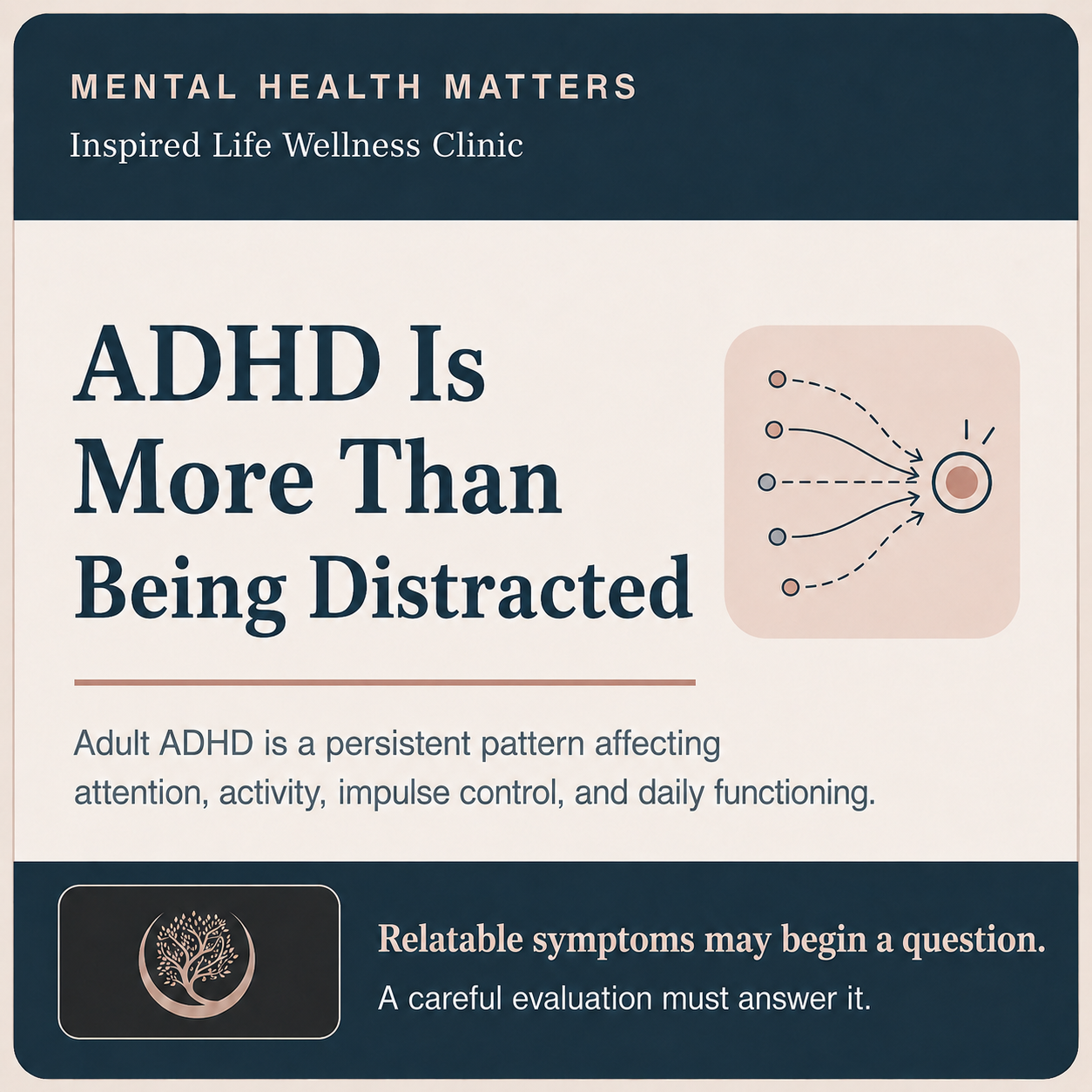
ADHD Is More Than Being Distracted
Everyone becomes distracted, forgetful, restless, or disorganized occasionally. ADHD is different: it is a persistent developmental pattern affecting attention, activity, impulse control, and daily functioning. Understanding that distinction can help adults move beyond social-media checklists toward a careful evaluation and more effective support.
When Your Child’s Anxiety Becomes Your Anxiety
A child’s back-to-school anxiety can quickly activate a parent’s own fear, guilt, painful memories, and desire to prevent every difficult experience. Supporting a worried child doesn’t require dismissing the fear or joining its most frightening predictions. It requires enough space between the child’s anxiety and the adult’s reaction to understand what the situation actually needs.
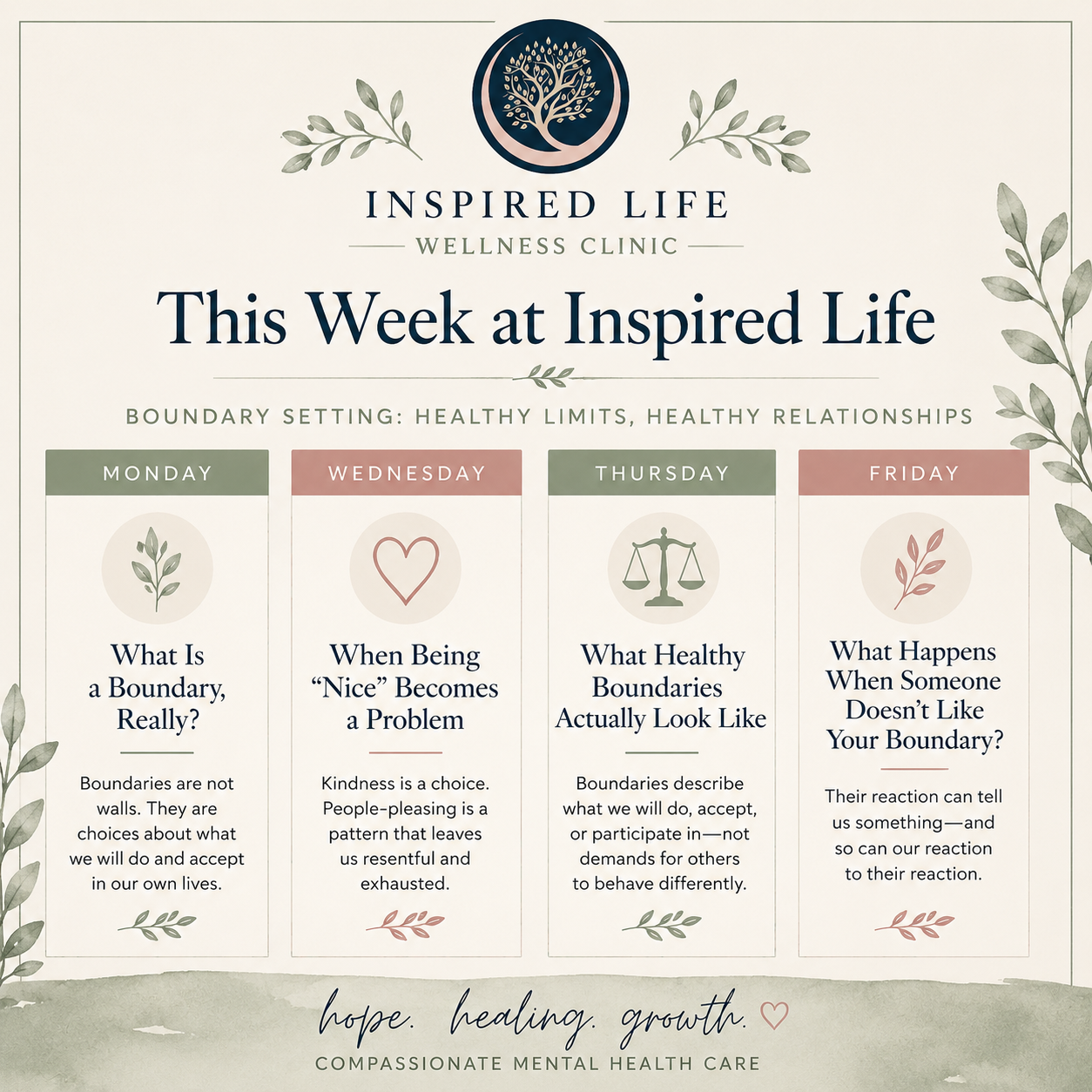
What Healthy Boundaries Actually Look Like
Healthy boundaries are not demands that other people behave the way we want, nor do they require us to become rigid or unwilling to compromise. They help define what we will participate in, what we can reasonably give, and where our responsibility ends. In real relationships, that means learning to balance clear limits with flexibility, compromise, and the uncomfortable reality that other people may not always agree with our decisions.
Has Contentment Gotten a Bad Reputation?
Somewhere along the way, contentment developed an image problem. We often confuse it with settling, complacency, or a lack of ambition. But are those ideas really the same? This week's Mental Health Matters explores why contentment may not be the opposite of growth after all, and why appreciating where we are today doesn't mean we've stopped looking forward to tomorrow.

Where Did the Time Go?
Why does it feel like the years pass more quickly as we get older? The answer may have less to do with the calendar and more to do with the way our brains experience routine, memory, and attention. This week's Mental Health Matters explores the psychology behind our perception of time—and why learning to notice the ordinary moments of life may be one of the most important things we can do.
Financial Stress Affects More Than Your Wallet
Financial stress can affect far more than a bank account. Ongoing money worries may contribute to poor sleep, difficulty concentrating, irritability, fatigue, and feeling overwhelmed by everyday decisions. Learn why financial strain can affect mental and physical health—and why struggling with it is not a personal failure.
Why Everything Feels Harder Right Now
Long-term stress does not always arrive as one major crisis. It can build quietly through work, finances, family responsibilities, poor sleep, health concerns, and constant demands, leaving you feeling less patient, less focused, and emotionally exhausted. This article explores how chronic stress affects daily life and why small opportunities for rest, support, and recovery still matter.
When Your Brain Starts Making Everything Urgent
When stress builds, even ordinary responsibilities can start to feel urgent. This week’s Mental Health Matters looks at why the brain can turn a simple to-do list into one big mental pile, how overload can make everything feel immediate, and one small way to slow things down before it turns into a true dumpster fire.