
Who Carries the Mental Load When School Starts?
The school year creates more work than packing lunches and driving to activities. Someone must also remember the forms, fees, schedules, supplies, messages, appointments, and everything each child needs on a particular day. When one adult becomes responsible for noticing and managing nearly all of it, the invisible mental load can affect mood, sleep, concentration, and relationships.
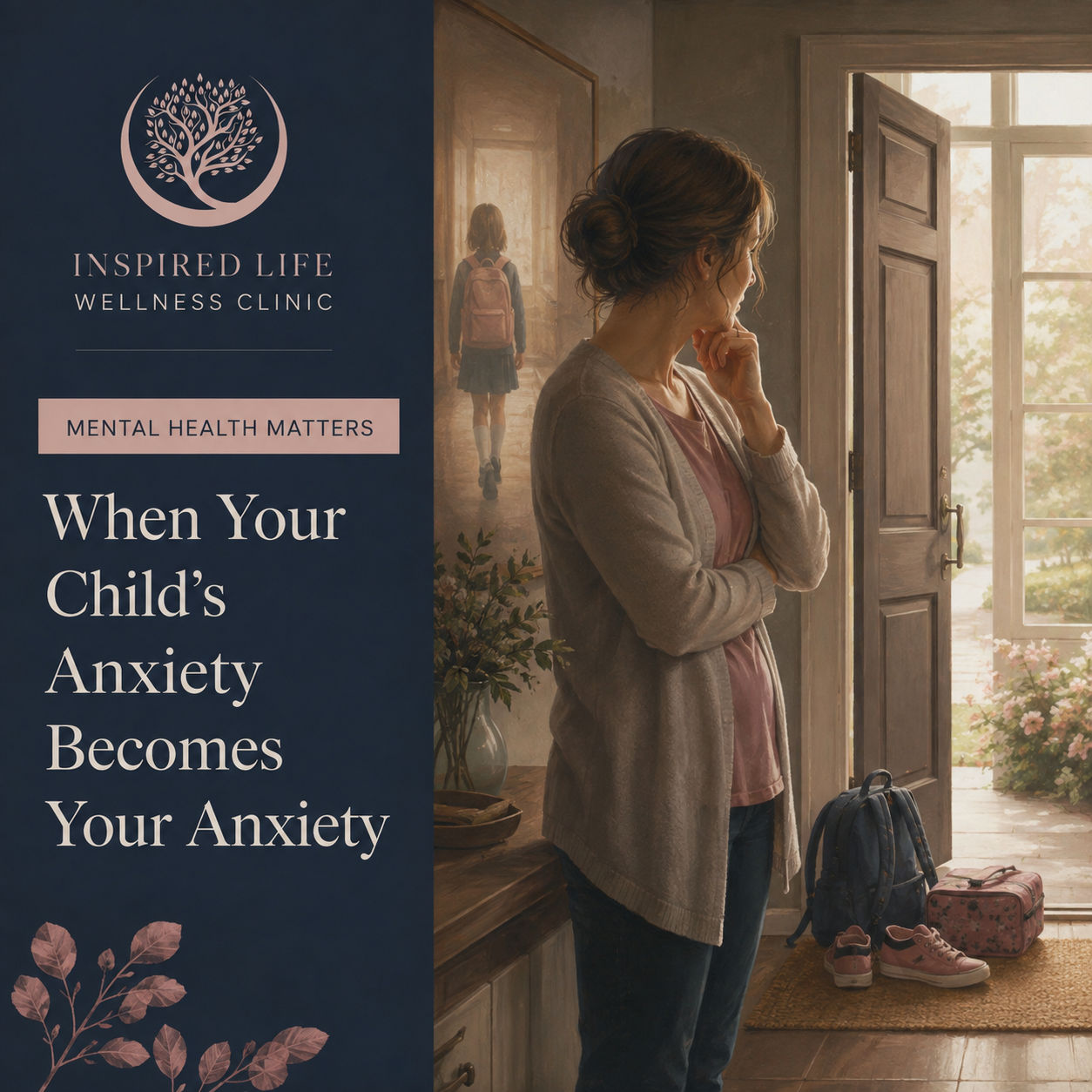
When Your Child’s Anxiety Becomes Your Anxiety
A child’s back-to-school anxiety can quickly activate a parent’s own fear, guilt, painful memories, and desire to prevent every difficult experience. Supporting a worried child doesn’t require dismissing the fear or joining its most frightening predictions. It requires enough space between the child’s anxiety and the adult’s reaction to understand what the situation actually needs.

The Myth of the Fresh Start
A new school year makes a perfectly organized fresh start seem possible—until the portals reject our passwords and someone can’t find a shoe. The success of a routine isn’t determined by how perfectly it begins, but by whether we can return to it after real life interrupts.
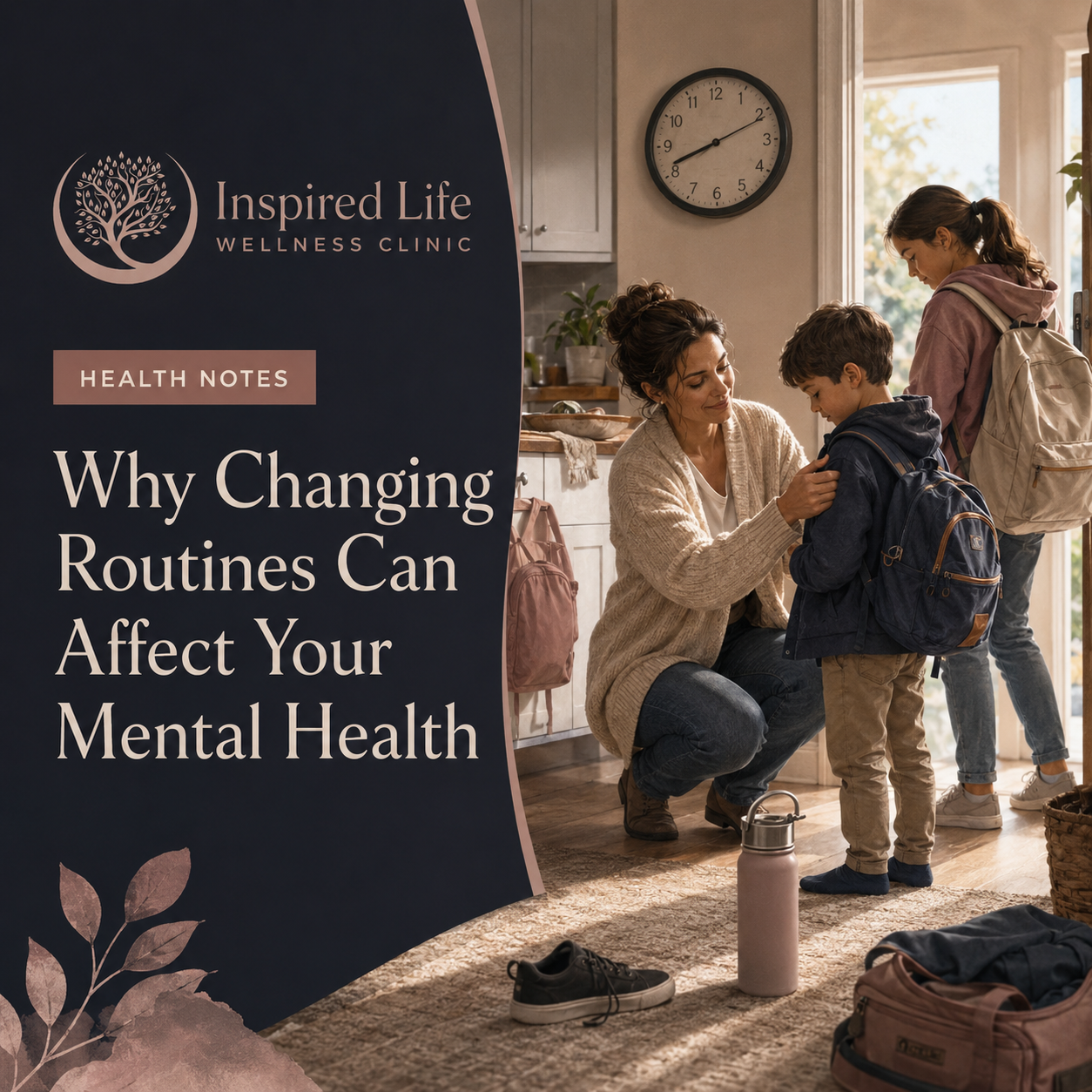
Why Changing Routines Can Affect Your Mental Health
Back-to-school routine changes can affect the mental health of the entire household. Changing sleep schedules, crowded calendars, forgotten assignments, and difficult mornings may increase anxiety, irritability, and problems with concentration—especially for adults already managing depression, ADHD, or chronic stress. A useful routine doesn’t prevent everything from going wrong; it helps one problem remain one problem instead of determining the emotional tone of the entire day.
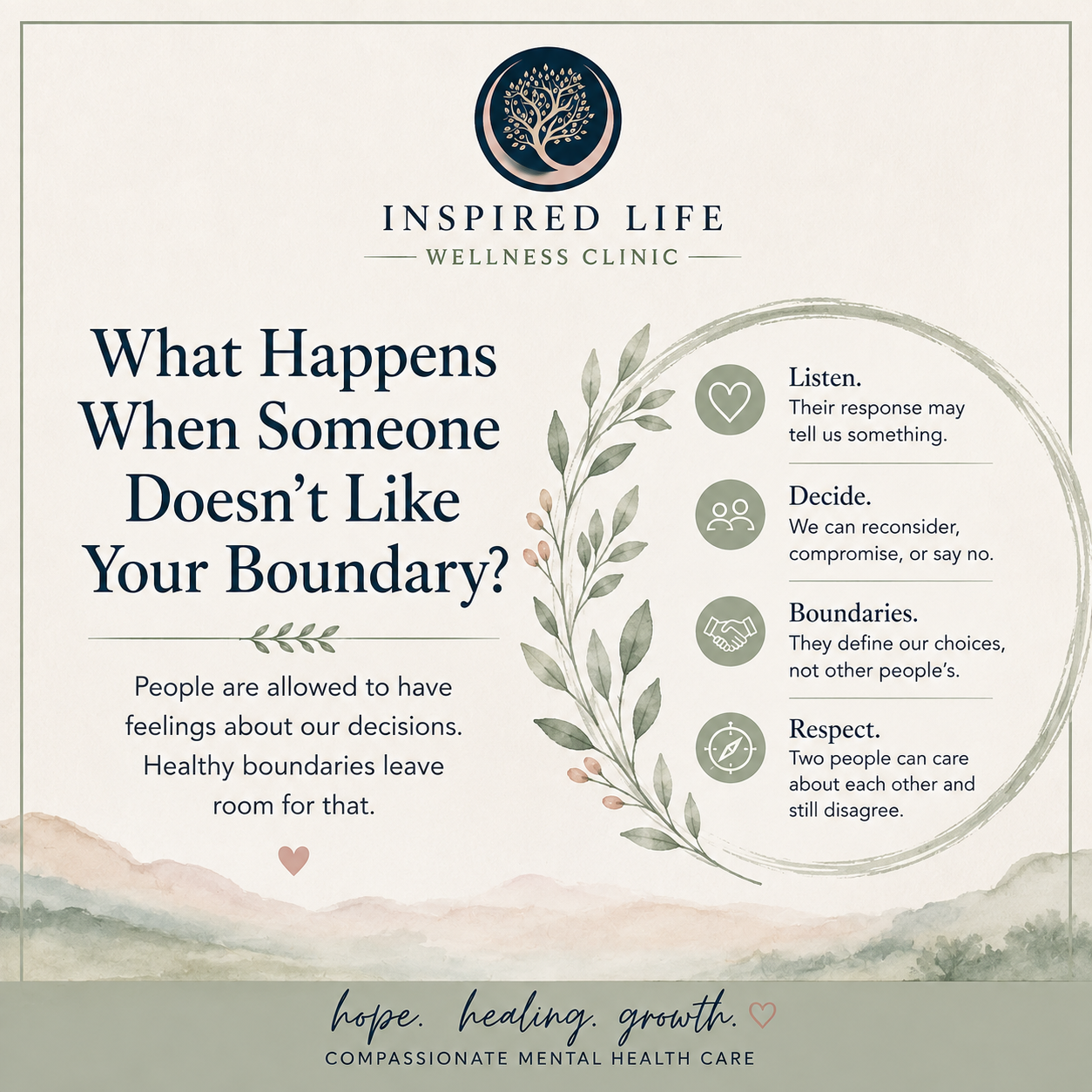
What Happens When Someone Doesn’t Like Your Boundary?
Setting a boundary is one thing. Finding out that someone else doesn’t like it is another. Disappointment, disagreement, or questions do not automatically mean a boundary is being disrespected, just as having a boundary does not make us immune to feedback. Healthy boundaries require us to listen, reconsider when appropriate, and tolerate the possibility that two people can care about each other, understand each other, and still disagree.
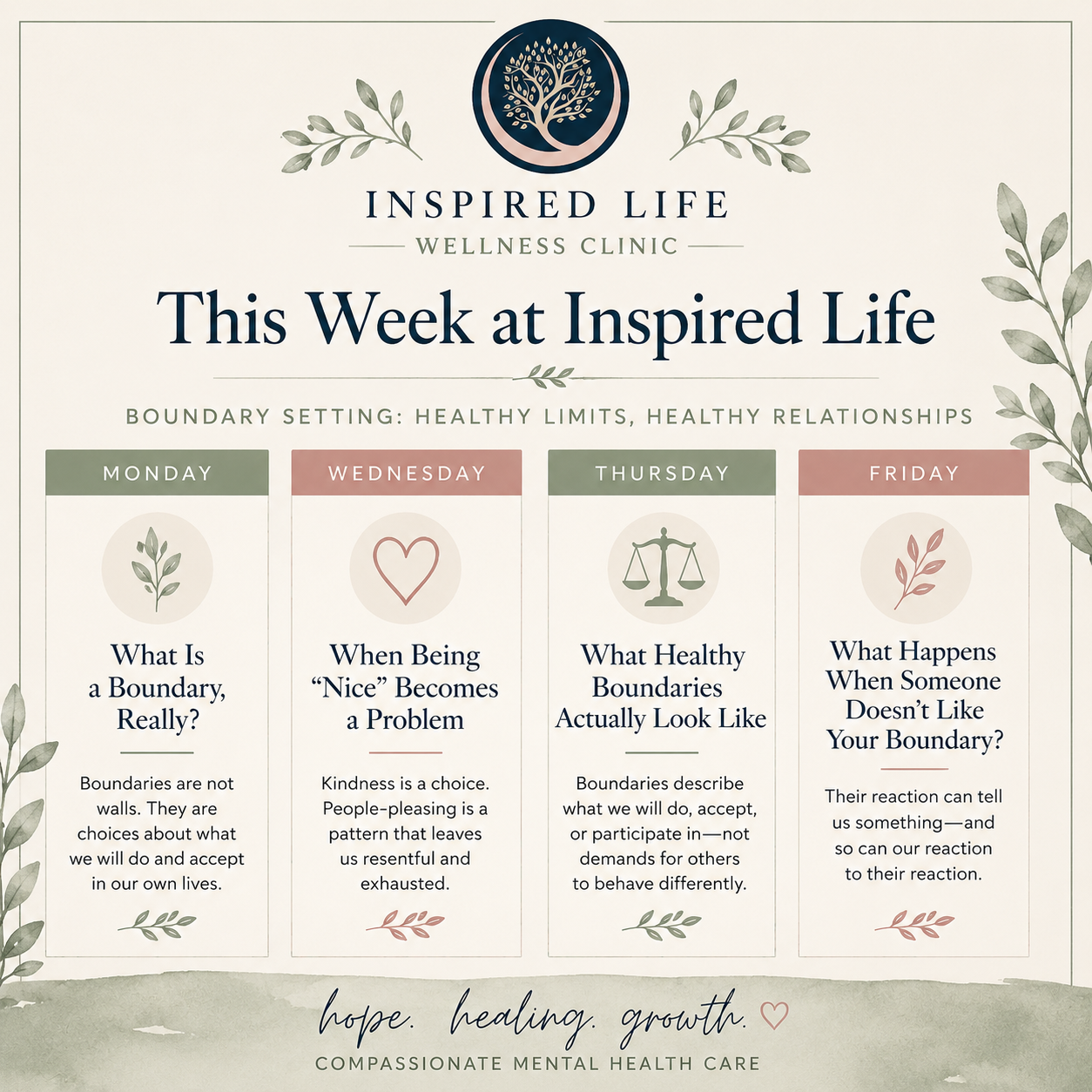
What Healthy Boundaries Actually Look Like
Healthy boundaries are not demands that other people behave the way we want, nor do they require us to become rigid or unwilling to compromise. They help define what we will participate in, what we can reasonably give, and where our responsibility ends. In real relationships, that means learning to balance clear limits with flexibility, compromise, and the uncomfortable reality that other people may not always agree with our decisions.

When Being “Nice” Becomes a Problem
Being kind sometimes means compromising, helping when we are tired, or doing something simply because it matters to someone we love. But kindness becomes something different when we begin to believe we are responsible for keeping everyone else comfortable. Healthy boundaries do not require us to become less generous. They help us recognize the difference between freely choosing to give and saying yes because guilt, fear, or obligation has made the choice for us.
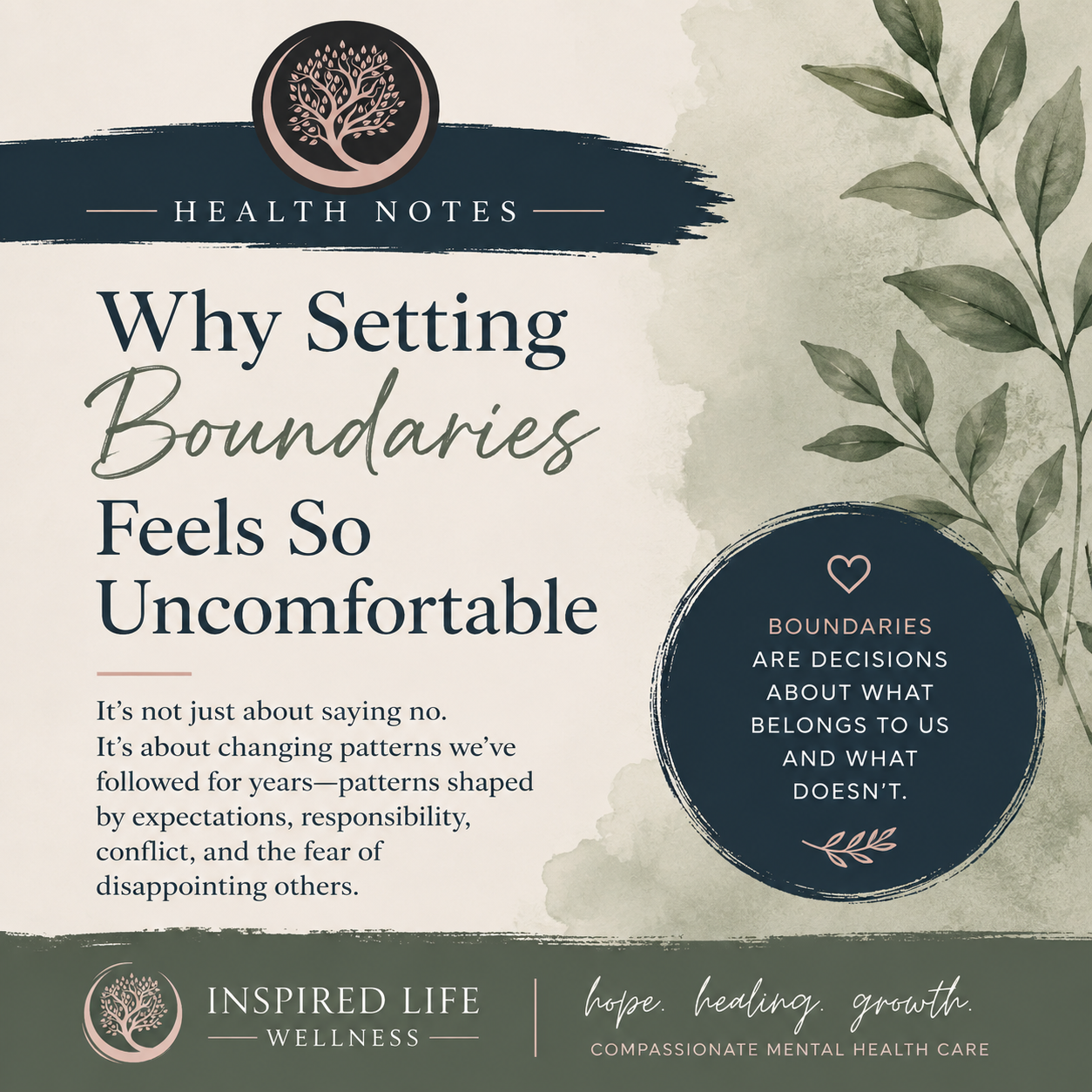
Why Setting Boundaries Can Feel So Uncomfortable
Setting a reasonable boundary can leave us feeling guilty, anxious, or selfish even when we know the decision makes sense. That discomfort is not necessarily evidence that we have done something wrong. Our expectations about relationships, responsibility, conflict, and disappointing others are often learned over many years. Understanding where that discomfort comes from can help us distinguish between a boundary that needs reconsideration and the unfamiliar feeling of finally allowing ourselves to have limits.

Where Life Is Actually Lived
The milestones of our lives are easy to remember. Weddings, graduations, births, and other celebrations naturally stand out in our memories. Yet those remarkable days make up only a small part of a lifetime. Most of life is lived somewhere in between, in the quiet routines and ordinary moments that rarely seem important while they're happening. This week's reflection considers why those seemingly unremarkable days may be where life is actually lived.
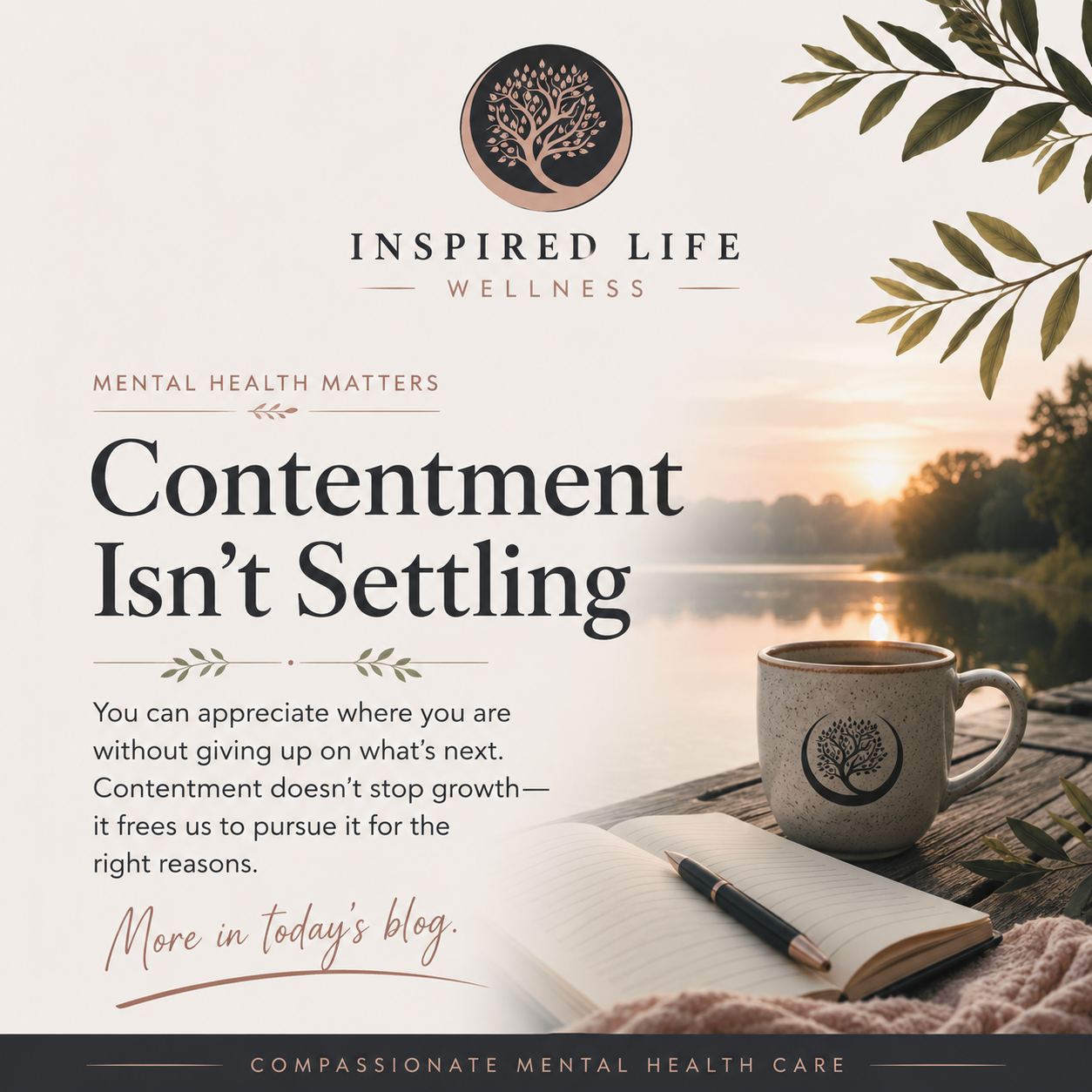
Has Contentment Gotten a Bad Reputation?
Somewhere along the way, contentment developed an image problem. We often confuse it with settling, complacency, or a lack of ambition. But are those ideas really the same? This week's Mental Health Matters explores why contentment may not be the opposite of growth after all, and why appreciating where we are today doesn't mean we've stopped looking forward to tomorrow.